Comment
Why 2026 is a reset year for the US food industry
The US food industry is at an inflection point and companies need to act, writes Just Food columnist Victor Martino, as he looks ahead to the new year.
Main video supplied by JK1991/Creatas Video via Getty Images
Each year, I take a step back from the daily headlines to look ahead at the major forces likely to shape the coming year in the food industry in the US. Not fleeting trends, but deeper, structural shifts – the mega-issues – that will affect strategy, execution and outcomes.
It's important to remember that forecasting in this sector requires historical perspective, pattern recognition and the willingness to admit when old assumptions quietly expire.
As 2026 approaches, the US packaged-food industry stands at an inflection point. The shocks of the past five years – persistent inflation, supply chain volatility, the pandemic reset, the rise of retailer power and shifting nutrition narratives – have created a new operating environment.
Bottom line: the industry is becoming more complex, more competitive and more unforgiving than executives have faced in their careers.
Below are five mega-issues I believe will primarily define 2026. These are not temporary trends or cyclical fluctuations but structural forces every packaged-food company needs to know.

The 2026 affordability crisis
Consumers are entering 2026 fatigued by years of elevated grocery prices, shrinkflation and product reformulations, all accompanied by messaging that price spikes were to be mostly temporary. That relief has yet to materialise and shoppers are reacting by taking control of their wallets in ways that challenge national brands.

Across income levels, shoppers are trading down.
“Value-first” shopping has gone mainstream in the US. This behaviour is no longer confined to lower-income households. Across income levels, shoppers are trading down, choosing private label, switching retailers and scrutinising price per-unit before making purchases. Even discretionary categories such as snacks, prepared meals and beverages are subject to heightened price sensitivity.
For manufacturers, the implications are significant. Pricing power, a primary lever for margin management in recent years, is effectively gone. Companies can no longer rely on consumers to absorb incremental cost increases further up the chain. In 2026, the consumer will control the pricing narrative and brands that fail to adapt risk volume loss and losing relevance.
Executives will need to rethink how they engage consumers, balance promotions with brand value and communicate why premium products are worth the price. Those who ignore these shifts will discover that even the strongest brands are vulnerable to volume erosion. Companies that successfully innovate around value propositions, like smaller pack sizes, bundling strategies or targeted promotions, will likely have a competitive advantage.
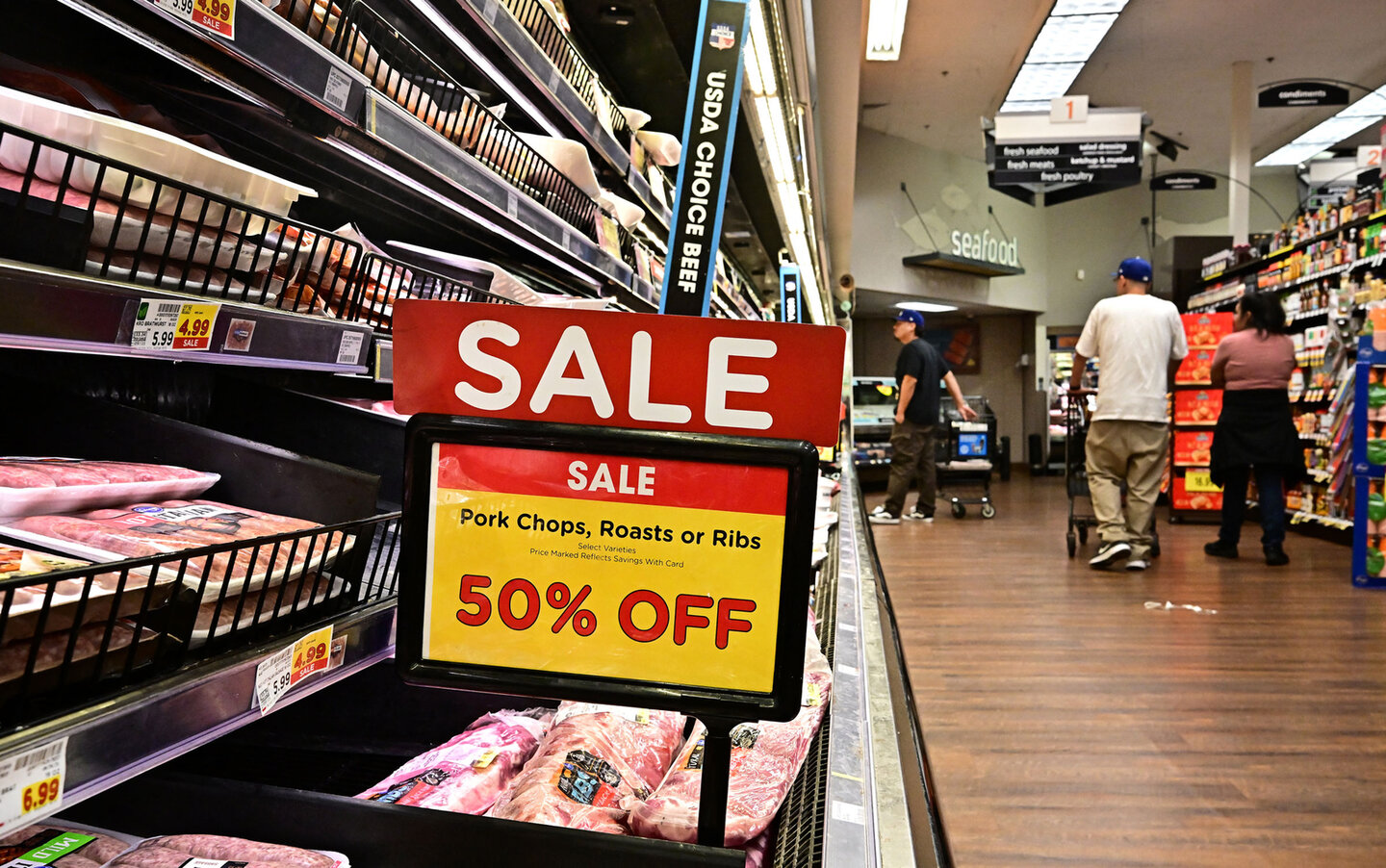
Photo by FREDERIC J. BROWN / Contributor via Getty Images
The private-label ‘supercycle’
Retailers have transformed themselves into brand-builders with certain advantages that national brands cannot match. First-party consumer data, a greater visibility into how consumers are sensitive to moves on price, control over shelf placement, integrated retail media networks and closed-loop incentive systems combine to give private label a strategic edge it didn’t have in the past.
The growth and influence of private label brands isn’t just a short-term trend or a normal market fluctuation – it’s a prolonged, structural shift that is reshaping the US packaged-food industry.
Private label is now competing across the quality spectrum, from value to premium. In many categories, retailers’ brands are leading innovation. Consumers increasingly trust private label for both quality and affordability – and this trend is accelerating as shoppers prioritise value. Even categories historically dominated by iconic brands, such as snacks, dairy and frozen meals, are seeing private- label penetration rise steadily.
For national brands, this is not a temporary trade-down effect. It represents a structural realignment, one in which retailers are consolidating control of entire categories. Companies that fail to rethink partnerships, shelf strategies and pricing in this new reality will face declining share and margin pressure in 2026 and beyond.
Executives will need to approach relationships with retailers with creativity and rigour – using data, targeted marketing and differentiated product ranges to maintain relevance.
Those who can collaborate without ceding control, and innovate while protecting brand equity, will emerge as leaders in this new landscape.
Nutrition guideline shockwaves
The federal government is expected to release updated Dietary Guidelines for Americans this month. Early speculation suggests the guidelines may ease restrictions on saturated fat and encourage greater consumption of full-fat dairy and meat. If that happens, the impact will be significant.
For decades, US nutrition policy has been built around a low-fat – particularly low saturated fat – paradigm. This framework influenced product formulation, brand positioning, marketing and consumer expectations. Even a partial shift away from it disrupts category norms and brand identities.
Categories poised to benefit include dairy (cheese, butter, yogurt, whole milk), traditional meat and protein, indulgent, “real ingredient” products and select centre-store staples that lean heavily into flavour over fat reduction.
Meanwhile, low-fat and fat-free products, plant-based alternatives and diet-focused SKUs may lose relevance as consumer perception and policy guidance evolve.
Beyond specific categories, the guidelines will spark debate among nutrition groups, medical organisations, consumer advocates and food companies. Consumer confusion will abound.
Manufacturers operating in the US will need to navigate this new policy environment, balancing reformulation, marketing and regulatory uncertainty. In 2026, the guidelines will challenge not just products but the strategic narratives and brand identities that have guided packaged-food companies in the US for decades.

Robert F. Kennedy Jr., the US Health and Human Services Secretary, has said the guidelines would “stress the need to eat saturated fats, dairy, of good meat, of fresh meat and vegetables”. Photo by Heather Diehl / Staff via Getty Images
Structural reckoning on costs
With consumer behaviour pressuring volume and retailers limiting manufacturers’ flexibility on price, the cost side of the food business will not provide relief.
Labour remains expensive and in short supply. Freight and energy markets continue to be volatile. Packaging costs have risen due to sustainability mandates. Government compliance requirements add significant fixed costs. Ageing plants and machinery are forcing capital investments, while interest rates remain above historical lows, increasing debt servicing costs.
Compounding the challenge, consumers are resistant to further price increases and retailers are unwilling to absorb cost pass-throughs quickly.
Cost structure will become a strategic constraint, not a temporary inconvenience.
The result is structural margin compression. Manufacturers will need to make tough decisions about SKU rationalisation, facility consolidation, automation and redesigning supply chains.
In 2026, cost structure will become a strategic constraint, not a temporary inconvenience. Companies that take decisive action will be positioned for resilience, while those that delay adjustments will see eroded profitability. Executives will need to focus on operational efficiency, portfolio optimisation and disciplined capital allocation to navigate the margin squeeze successfully.
Farm-sector stress
Food production begins on the farm and the agricultural base in the United States is under growing stress. Fertiliser, fuel, feed, chemicals and other farm input costs remain costly.
Climate volatility continues to disrupt planting and harvest cycles. Water availability is tightening in key production regions and labour shortages persist, particularly in produce, dairy and livestock. Small- and mid-size farms face financial stress, consolidation or exit, increasing concentration risk.
For packaged foods companies, these challenges translate into ingredient volatility, supply risk and rising costs. Regional sourcing is less reliable, import dependence increases and the bargaining power of large agribusinesses grows. In 2026, upstream fragility becomes a downstream strategic problem, impacting dairy, meat, produce and specialty ingredient supply chains.
Food manufacturers that proactively address sourcing risk, diversify supply and strengthen relationships with farms will be better positioned to navigate this turbulence. Those that delay will face not just operational headaches but also strategic vulnerability. Companies that engage with farmers, invest in sustainable sourcing and lock in contracts strategically will mitigate risk and gain a competitive advantage.
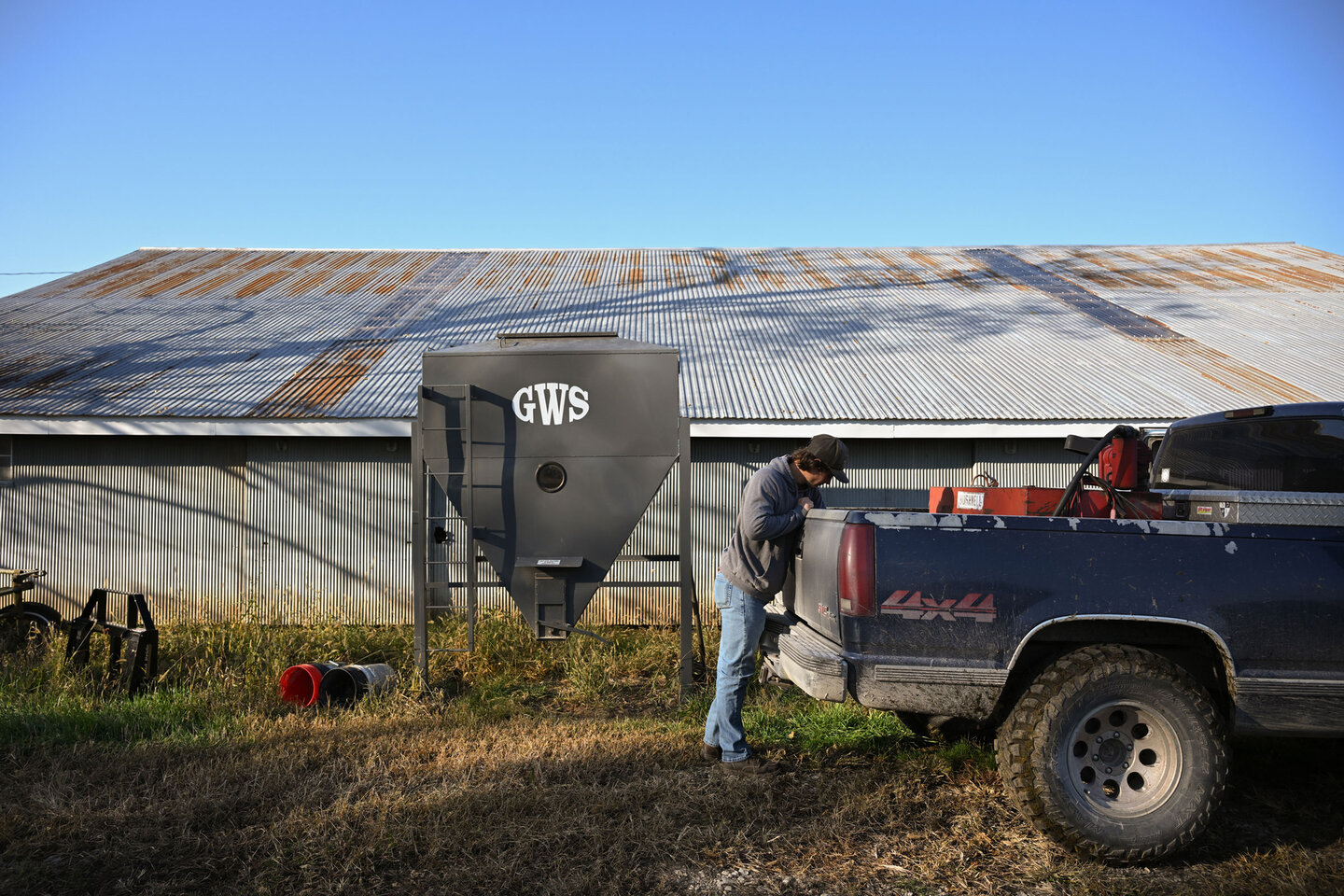
Photo by Bloomberg / Contributor via Getty Images
Taken together, these five forces make clear that 2026 is a reset year for packaged food in the US. Long-standing assumptions are being challenged. The balance of power among consumers, retailers, manufacturers and suppliers is shifting. Cost structures are permanently higher. Nutrition narratives are evolving. And the agricultural base is under pressure.
Companies that act decisively will emerge stronger and more competitive.
For industry leaders, this is not a year to rely on old habits or legacy strategies. It is a year to clarify strategy, strengthen operations and rethink fundamental questions about value, innovation, supply chains, retail relationships and brand portfolios.
Companies that act decisively will emerge stronger and more competitive. Those that cling to the past will find themselves struggling to catch up.
The new year is approaching quickly. Companies that prepare now will be the ones shaping the conversation next year rather than reacting to it.
