
Feature
Food M&A set for health kick in 2026
Simon Harvey speaks to four food M&A advisers and hears protein and fibre are likely to drive deal-making in 2026.
Main video supplied by Pigeon Productions Inc./Image Bank Film: Signature via Getty Images
Protein and fibre are expected to be among the main catalysts for M&A in the global food industry next year as companies eye the growing consumer interest in health.
While the Covid-19 pandemic kicked off a renewed thirst for ‘better-for-you’ packaged foods, the increasing use of GLP-1 weight-loss drugs, particularly in North America and Europe, also looks set to be a driving force in the deals done in 2026.
Protein and fibre help maintain a sense of fullness while supporting muscle mass for people on the medication and the pending arrival of pill variants of GLP-1 drugs is likely to create additional opportunities for transactions.
That’s not to say there won’t be room for indulgence on deal-makers’ menus – confectionery, ice cream and snacks were frequently the subject of M&A in 2025.
And let’s not forget the search for volume – a common theme across boardrooms – which might trigger an appetite for acquisitions, particularly in on-the-money categories. Portfolio trimming is also likely to continue, presenting opportunities for would-be buyers while easing interest rates should be more conducive to deal-making.
Just Food gathered the thoughts of four M&A experts on what they expect for 2026.
Jeff Hechtman – Kilpatrick Townsend

Jeff Hechtman
Last year was somewhat unique because there was an accumulation of uncertainty, which caused people to be very hesitant in the deal world – uncertainty on taxes, particularly in the US; tariffs; and interest rates.
While there’s still some tariff back-and-forth uncertainty, the other two settled and that seemed to be a catalyst for more deals over the summer. It’s slowing down a little bit as there’s a general feeling in the marketplace that economic activity is going to decline and people are less optimistic.
I don’t think that bodes particularly well for the M&A markets, especially in the middle market. Over the past five to six months, there is a clear split between the higher end of the market and the lower end.
There’s lots of activity in the upper end of the market with rates coming down. You’re seeing lots of announcements of big deals and more discussions of activity with public companies and large enterprises. In the middle market, deals are lengthening and diligence is getting more robust and starting to impact pricing.

At the higher end, there’s robust activity. Valuations are still pretty fulsome and high.
At the higher end, there’s robust activity. Valuations are still pretty fulsome and high. At the lower end, there’s greater pessimism with buyers and sellers. Sellers are still looking for robust valuations and they’re going to come down a little bit because buyers aren’t quite there.
What still remains is a large private-equity overhang. They have tons of money.
If you’re a really good company and you have a long successful history, I think you’re going to be the beneficiary of higher valuations.
Categories:
Processed food was a dominant trend in the US for a couple of decades but that trend has reversed and will continue to do so. Protein is part of that as part of the healthier food trend. That has some interesting applications for the M&A world.
For the past couple of decades, it was cheaper to buy than to build. With the move towards non-processed, that’s made that a less attractive decision for those big food companies. Some of the big food companies snapping up local, early-stage companies, I think that’s going to decline.
In protein, there’s probably a reasonable chance for consolidation – there are plenty of protein drinks and bars and you would think at some point they’ll get rolled up. Proteins, healthy, good for you: I’m not sure those trends are reversible.
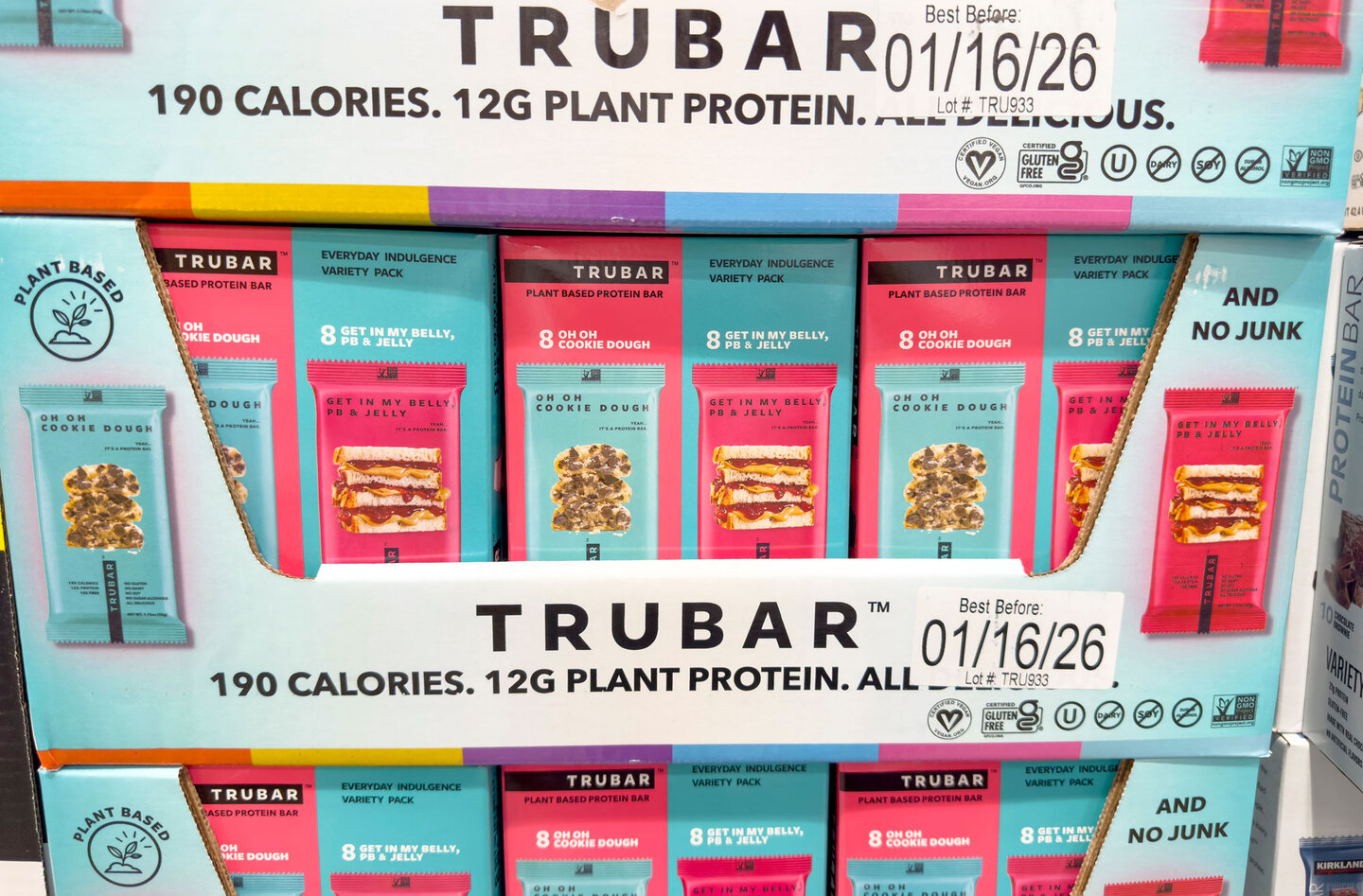
Turkey-based food manufacturer Eti Gıda moved for Canadian snacks group Trubar in November.
Private label:
The issue with private label is marketplace values. There are two attributes of private label that keep its valuations down. It’s viewed less attractively in the marketplace, gets lower market multiples, has massive buyers and great concentration risk, which gets penalised in the M&A world.
US portfolio trimming:
There will be demand. The question is: do they yield the prices that these big, bloated companies want? The answer to that will be no, so they are going to have to temper their expectations. The deals will still get done and you’ll continue to see deconsolidation.
Steve Young – Manna Tree Partners

Steve Young
We’ve been quite encouraged by the activity that’s taken place in the last year. We have definitely seen an uptick in M&A activity in the consumer space and you see that in some of the blockbusters – Poppi, Siete, Health-Ade kombucha.
It felt this year like there was something fairly substantive every month in traditional M&A, or large to mid-sized companies buying a smaller food, beverage or consumer products company. It’s driven by large consumer products companies, with very limited exception, trying very hard to reignite their volumes. While their primary focus is on organic growth and how do we get our volumes reignited on our core brands, you still see all of them saying ‘I’m going to look at inorganic opportunities to go and add new assets to our portfolios in places that are strategically important.’
You’re seeing a more robust environment across the board both big and small. The common theme is companies that are coming in and serving a unique consumer, bringing younger consumers into categories, companies that have great unit economics and margin structures. There’s an appetite for those companies out there in the M&A markets.
We think fibre is going to have a resurgence.
Pre-pandemic, when interest rates were zero and money was free flowing and prevalent, if you were starting up a new company, it was all about driving top-line growth. As interest-rate policy changed and all of a sudden there was a real cost of capital and money was less prevalent, there’s a need to have great margin structures and to make sure your unit economics are good because large companies are not going to come in and buy a company that is unprofitable. They want to buy great businesses that can plug and play right away into their structures.
Large companies are also going to be less likely to dip down and buy a very small company. Large acquirers are looking for businesses that have been built to be a lot bigger.
Categories:
If you go a little deeper into the health-and-wellness trend, it’s protein, protein, protein. That’s driven in part by GLP-1s, although it’s much broader than that. For many, we’ve had a change where people are shifting from a carb-centric diet to a more protein-centric diet and GLP-1s are accelerating that. That’s something we think is going to get hot, especially when you start thinking about what ultra-processed foods mean to people.
We think fibre is going to have a resurgence as well. Foods that are built with the right balance of protein, fibre and macronutrients we think are going to be a big deal, too.
The globalisation of flavours: Gen Z have got an appetite for authentic flavours, they want authentic Thai food, or they want authentic Vietnamese food.
Shaun Browne – Houlihan Lokey

Shaun Browne
This year, deal activity was slightly higher than in 2024, with buyers increasingly coming from trade rather than private equity.
Most food companies are struggling to generate growth and I’m convinced that will continue into 2026. As a nation [in the UK], we’re not really eating more food than last year and, as a result, acquisitions have become a key value enhancer for delivering shareholder returns. They’re not seeing a surge in demand for their products and that continues to drive M&A.
Private equity has a lot of food assets in their portfolios, some of which haven’t performed especially well and therefore they haven’t been in a rush to sell them. Eventually, they will need to exit – even without hitting 2.5 to three times returns. The question is when will it happen?
Categories:
This year, it was back to protein, protein, protein and back to longevity – areas investors are eager to back – along with VMS. It’s an inexorable trend that will continue.
Pet deals remain an active area but much of this reflects private equity’s heavy investment over the last decade. Growth hasn’t necessarily met expectations and, with UK pet numbers dipping, sales are under pressure.
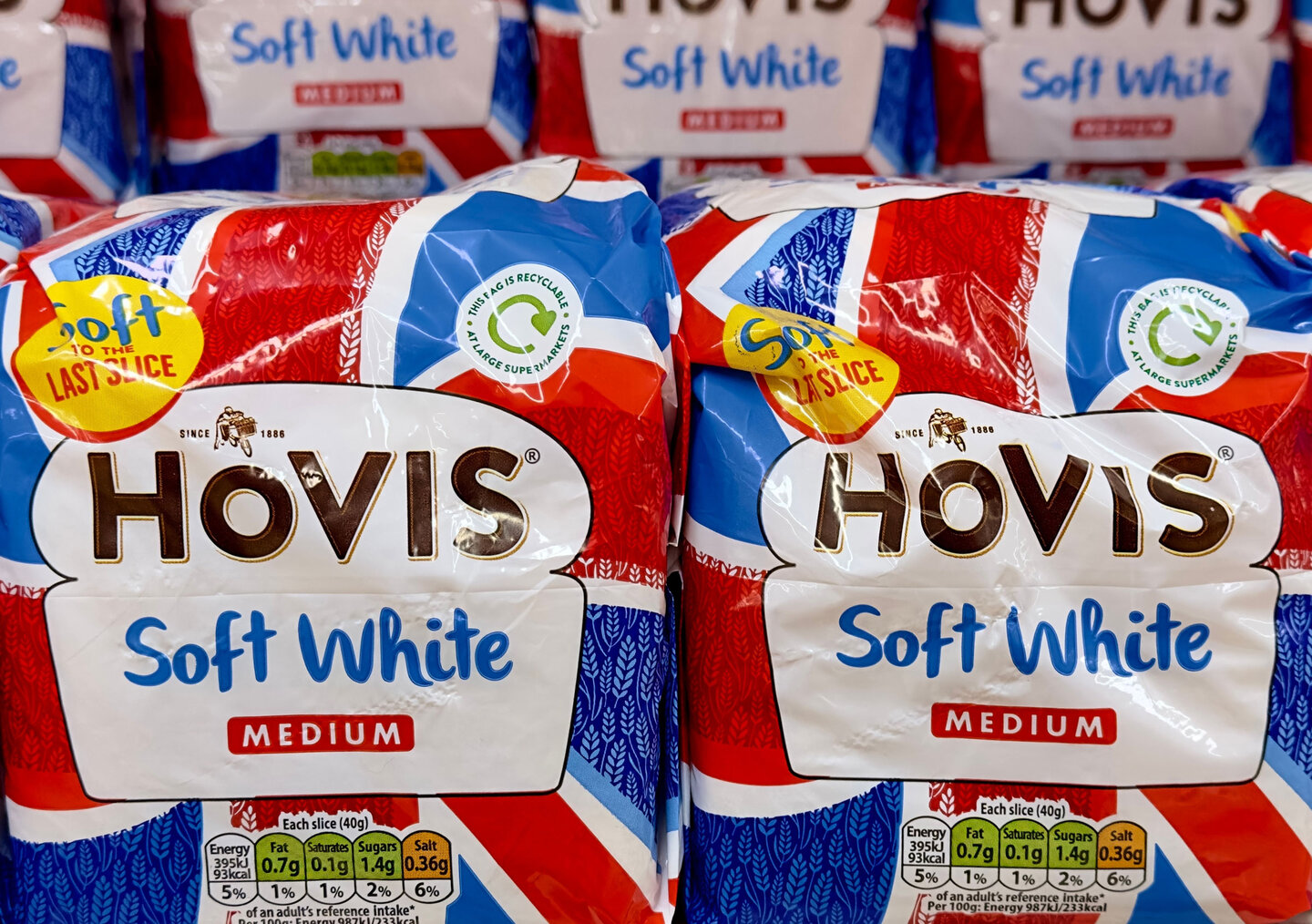
In April, Associated British Foods swooped for fellow UK bakery business Hovis.
Low-margin businesses are consolidating to generate profitability and that’s why you’ve seen Hovis and Kingsmill come together and also Greencore with Bakkavor. Alcohol has also seen notable deal activity as drinks companies also chase growth.
Snacking has seen a huge amount of M&A activity over the last decade but savoury and salty snacking is no longer quite as popular. Confectionery has been surprisingly active but it’s been predominantly smaller companies being sold to bigger companies.
Jeroen van den Heuvel – Oppenheimer

Jeroen van den Heuvel
We started the year on a positive trend thinking 2025 would be a lot stronger than 2024. That was the case until April with Trump’s tariffs. That wrecked the whole year. The other thing was persistent inflationary pressure, especially in the first half of the year – deal volumes declined 2% and value declined 10% compared to the first half of 2024. My gut feeling is there was a recovery in the second half so 2025 is more or less similar to 2024 but still way off 2021.
There was a scarcity of premium assets – a lot of companies of a lesser quality being sold and it’s much harder to sell them. You had the macro-economic environment, political instability in big countries like the UK, France, and Germany, and inflation is still above 2%.
Next year should improve but you have all these lingering factors so it’s probably going to be more of the same. A couple of positives: on the financing side, banks are very keen to lend for M&A deals so you can get really good rates. The outlook for soft commodities next year is also positive such as soybeans, grains and oil seeds.
Banks are keen to lend for M&A deals so you can get really good rates.
There is also a massive reservoir of vintage deals within private-equity portfolios from 2015 to 2019 that they’ve kept waiting for the market to improve. The last couple of weeks we’ve seen some invitations to pitch to get rid of some of these deals but there’s still a reluctance to move.
There is still a flight-to-quality in the market and they attract attention from both strategic and PE buyers. Since Covid and then with inflation, cash flows of food companies have become much less predictable and private equity doesn’t like that because they’re leveraged.
It’s the strategic buyers that make up the bulk in food and beverages. You buy a smaller company with a great growth trajectory or with a strong brand. And you see the large multinationals looking at the portfolios and selling off non-core brands.
Categories:
Consumers are still looking for healthy convenience and sustainability. On the category side in bakery, sourdough is really strong as there’s the perception it’s less processed and healthier. Gluten-free is also going strong.
Functional food is on trend, for instance in confectionery with vitamins. You will see in the next couple of years the immense popularity of the weight-loss pharmaceuticals that are going to affect spending on food.
Ethnic food is still growing quite strongly in the UK France and Germany. Meat alternatives are still in the doldrums and sugar confectionery is difficult.
If I talk to my US colleagues, protein and fibre is all they talk about, linked to GLP-1s. Very often, the US is first and Europe lags, so next year I’m going to be talking about protein and fibre with the European companies.
The game changer will be AI software where you walk into a supermarket and you can instantly scan a product’s contents with your phone and the app tells you which groceries in your cart are not very healthy and it makes recommendations. The health trend is here to stay.
