Company Insight
Sponsored by Flavourtech
Flavourtech Brings Their Food Processing Technologies to New Wageningen Facility
Australian processing technology company Flavourtech has long been known for helping food and beverage manufacturers capture, preserve, and reuse high-value aroma compounds.
Main image: Flavourtech’s new European home, the Plus Ultra III building at Wageningen University & Research (WUR).
Australian processing technology company Flavourtech has long been known for helping food and beverage manufacturers capture, preserve, and reuse high-value aroma compounds. From their flagship Spinning Cone Column (SCC) to their continuous extraction systems, the company’s technology is rooted in a simple philosophy: protect flavour, reuse waste streams, and create higher-quality products with greater resource efficiency.
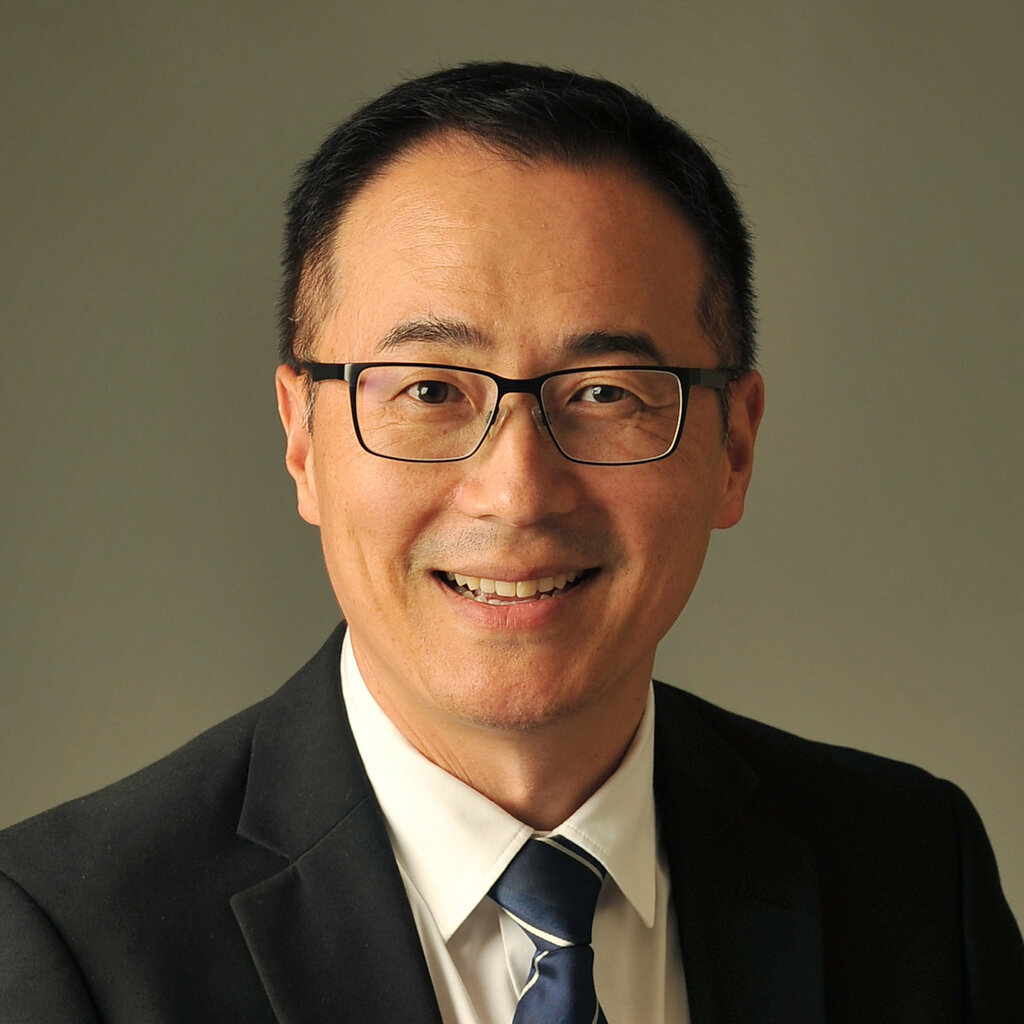
Paul Ahn, Global Sales Manager
This same philosophy has now motivated Flavourtech’s next chapter in Europe. The company has opened offices and will have their new pilot plant operational in early 2026 within the recently constructed Plus Ultra III building. This CO2-negative, timber-constructed innovation hub is located on the Wageningen University & Research campus—one of the world’s most respected centres for agri-food R&D.
Surrounded by start-ups, established innovators, and global brands, Flavourtech’s new home is designed for collaboration, experimentation, and accelerating customer trials.
We spoke with Paul Ahn, Global Sales Manager, about sustainability, circularity, industry trends, and why Wageningen felt like such a natural fit.
Just Food: You’ve moved into Plus Ultra III, a building designed around circularity and built almost entirely from cross-laminated timber. How does operating in a space like this reflect Flavourtech’s values? Was sustainability part of the decision?
Paul Ahn: It’s quite a unique building. The whole facility is essentially made of wood, with only the structural supports in concrete, so the focus on sustainability is very clear.
Our technology is all about reuse and maintaining product quality. Our Spinning Cone Column helps companies capture valuable aroma compounds that would normally be lost or literally washed down the drain. Some customers have been told by environmental regulators that their wastewater contains too much organic material. Running that material through the SCC lets them recover those aromatics, reuse them to fortify their products, and dispose of the rest safely. So in that sense, being in a CO2-negative, circular building feels like a good fit for what we do.
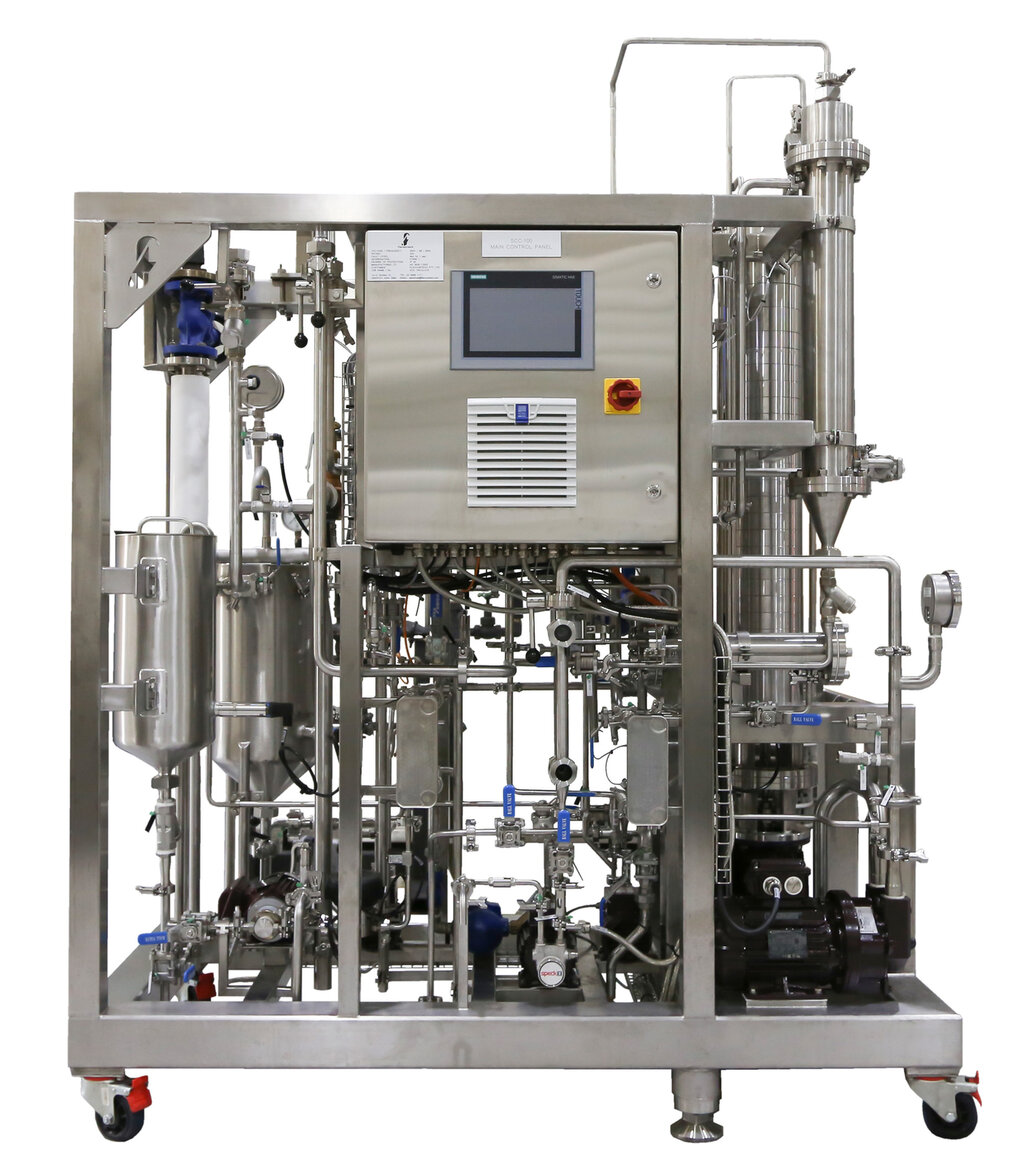
The recently-released SCC100 is a miniature version of Flavourtech’s well regarded Spinning Cone Column.
Just Food: So, it’s not only about developing new products, but also helping manufacturers make better use of their existing by-products. It really is a win-win, isn’t it?
Paul Ahn: Exactly. We’re seeing more customers approach us asking, “How do we reuse this? How do we stop throwing money away?” One example is the big beer companies: when they de-alcoholise beer, they often lose a lot of aroma into the alcohol stream. We now have systems that separate the alcohol and the aroma so both can be reused. It’s a win for the customer, a win for us, and a win for the environment.
Another example comes from juice concentrate companies, where the evaporate contains valuable aroma compounds. The SCC is able to efficiently capture these aromas, producing a cleaner wastewater stream and a high-quality source of juice aroma compounds that can be reintegrated into the concentrate to enhance its natural flavour profile.
Just Food: Tell me more about the new pilot plant in Wageningen. It’s all part of the same Plus Ultra III complex?
Paul Ahn: Yes, it’s the third building in the Plus Ultra series, hence the name. We’ll have both an office and a full pilot plant there, so customers can come in and run trials in an environment designed specifically for food research. Located on the ground floor of Plus Ultra III is a flexible pilot plant space, so we’ve been able to design an area that mirrors the equipment and process flow customers will eventually scale to commercial production.
At our site, clients can trial technologies like the SCC, Centritherm evaporator, and Integrated Extraction System under controlled conditions. They can experiment with capturing delicate top notes, refining RTD teas and coffees, or recovering aroma from by-products. It allows them to test formulations, adjust parameters in real time, and generate analytical samples that can be quickly assessed through the university’s on-campus labs. It’s essentially a miniaturised, highly flexible version of what they would eventually implement at scale, without the risk or cost of modifying their own facilities.
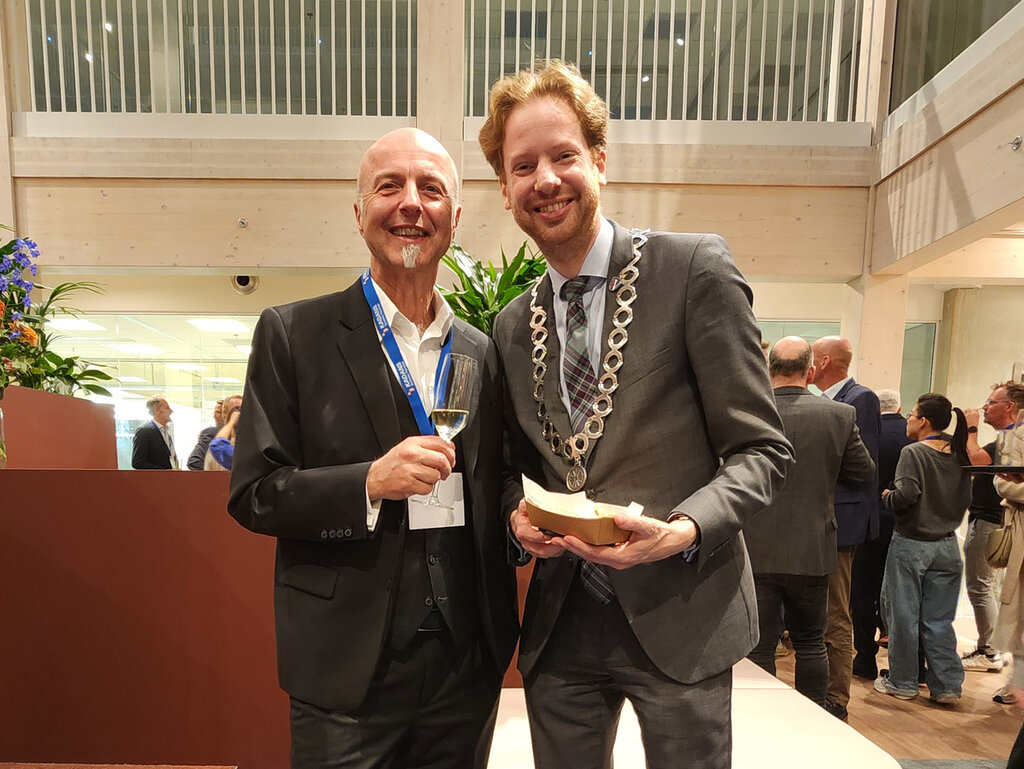
Plus Ultra III was officially opened on the 12th of November by Wageningen’s Mayor, Floor Vermeulen shown here with Flavourtech CEO, Leon Skaliotis, at the event.
Just Food: Having customers able to access that environment easily must be a big advantage. How do you see this improving R&D and collaboration with your European clients?
Paul Ahn: It’s a very central location—not far from Amsterdam and well connected across Europe. When I tell customers we’re at Wageningen University, they know exactly what that means. Even when I travel through the US, Asia, Oceania—people recognise Wageningen straight away.
For our clients, getting samples to the facility is easier, and travelling to the Netherlands is much simpler than going to some other regions. So yes, it speeds things up, and it gives customers confidence knowing they’re trialing technology in such a respected setting.
Just Food: Being based within a research community must also open up opportunities for collaboration. What excites you most about that environment?
Paul Ahn: There’s a real buzz on that campus—so much drive toward improving food systems, sustainability, and nutrition. Having been to the university, I can say it’s amazing. You’ve got companies doing pilot trials, students and researchers working on new ideas, and analytical labs that can test products quickly. And importantly, you have experts there who can interpret those results properly.
And actually, Flavourtech’s origins go back to the CSIRO (Commonwealth Scientific and Industrial Research Organisation) in Sydney where the SCC was developed. CSIRO is Australia’s national science agency so working within a research environment is woven into our history and feels very natural for us.
Just Food: Consumers have been asking for natural, clean-label, high-quality products for years, and Flavourtech has helped many manufacturers along the way. How do you see these trends evolving?
Paul Ahn: First, I have to thank the millennials and Gen Zs—they’re driving a lot of this change. People want healthier, more flavoursome products, whether that’s de-alcoholised wine and beer or tea, coffee, ready-to-drink beverages—everything. People are more educated now. You walk into a café and see a board describing where the beans or tea leaves come from. That education means consumers are asking for higher-quality, more natural products.
Flavourtech has been working in that space for almost 40 years, and I don’t see that slowing down at all. In fact, it’s only going to grow. Right now, we’re running trials on green tea because global consumption is rising, in large part for health reasons, and we’re helping these producers make higher-quality RTD and powdered products; this is where we are at the forefront. We provide the best means to improve quality, keep the products safe, and to do it quickly.
Download Flavourtech’s whitepaper to learn more about their unique processing technologies.
Contact Flavourtech on the details below to book a trial at their new Wageningen facility in the Netherlands.
Contact information
Flavourtech Pty Ltd
1 Irving Place,
Griffith NSW 2680,
Australia
Tel.: +61 2 6969 1111
Email: sales@flavourtech.com
Web: www.flavourtech.com