
Feature
Alt‑milk options battle soy’s dominance in Japan
Soy’s ascendancy in Japan’s milk‑alternatives market looks set to continue but, Kathryn Wortley reports, brands believe there are opportunities for other ingredients.
Main video credit: JeniFoto / Shutterstock.com
The near-term future for Japan’s market for milk alternatives, a category led by soy milk, looks bright, fuelled by ongoing demand for the mainstay product but also new options amid consumers’ increasing embrace of functional beverages and government support for investment in fermentation technologies.
That’s the message from industry experts surveying the development of the market so far and what they suggest could be on the horizon.
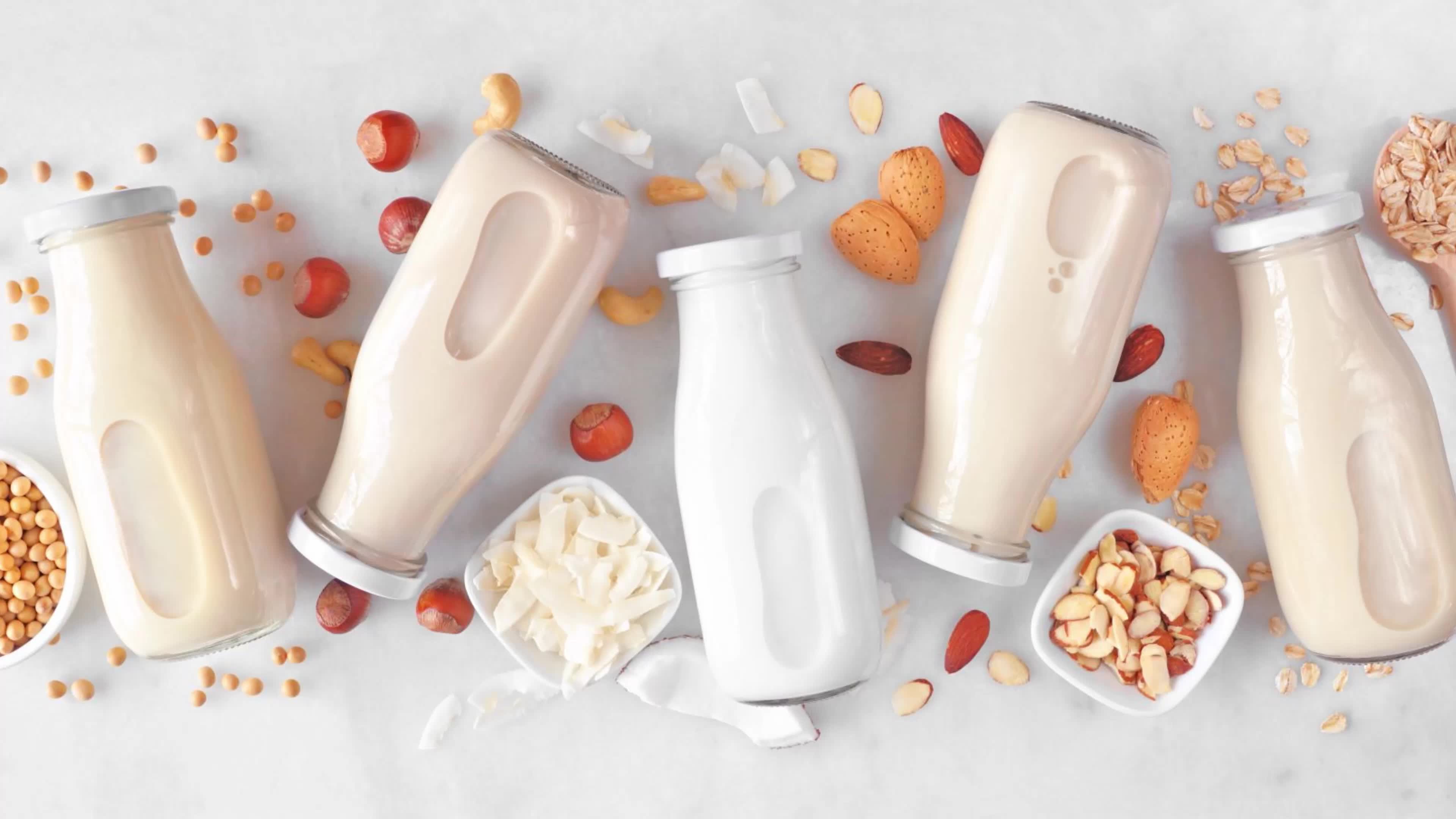
Plant-based alternatives dominate the alt-milk category in Japan and look set to continue to do so but there are products emerging based on other ingredients and production processes.
“Demand for and supply of plant-based milk has grown significantly in the past ten years, when soy milk was practically the only plant-based milk in Japan and it was common for cafés to offer no alternatives to cow’s milk,” Haruko Kawano, the founder and representative director of VegeProject Japan, a non-profit promoting plant-based food options throughout the country, tells Just Food. “Now more people are learning about plant-based milk, have more opportunities to try it and are developing a preference for it.”
Japanese production of soy milk, which still accounts for the lion’s share of the country’s plant-based milk market, reached almost 445,000 kilolitres in 2025, an all-time high, according to trade body The Japan Soymilk Association.

Credit: Arief Sucianto / Shutterstock.com
Demand for soy milk in Japan has been helped by the industry’s promotional campaigns. Since 2008, the association has labelled 12 October 'Soy Milk Day’. Last year, it announced 12 June was ‘Healthy Soy Latte Day’. Both seek to educate “consumers about the characteristics and benefits of soy milk”, the organisation says, which it asserts are the importance of consuming vegetable-based proteins and the potential health benefits of isoflavones, naturally occurring plant compounds that are found in soybeans.
Marketing campaigns like that often seem a little gimmicky but, the initiatives, devised in collaboration with major domestic soy milk producers, mean “among health-conscious consumers, more people began to choose soy milk not just as a substitute for other beverages and foods but as a preferred choice, leading to increased demand”, the association adds.
Soy reigns supreme
Nevertheless, the growth seen in Japan’s soy milk category is not uniform. While retail sales of unsweetened options increased by 14.5% last year, flavoured soy milks that include kiwi fruit, malt coffee, black tea and seasonal options such as ‘sakura’ (cherry blossom) expanded only 0.7%, indicating consumers largely consider soy milk “a staple, not a treat”, Marc Matsumoto, managing director of Global Food Pro, another local consultancy, tells Just Food.
That said, soy remains the pre-eminent product in Japan’s market for plant-based milk. Industry estimates suggest soy accounts for 80% of the plant-milk category in the country. According to Danone, the owner of the Alpro brand, both production volumes and sales of oat- and almond-milk products hit “record highs” in the first half of this year.
Nonetheless, Matsumoto says almond milk sales are a “distant second” to soy, while he claims oat milk, although widely available in supermarkets and served in cafés, “has never taken hold” in the country’s important convenience-store channel.
There are, he says, around 56,000 convenience stores in Japan and the channel is central to shopping habits, especially in a country that has an urbanisation rate of more than 90%.
Matsumoto says there have been nearly 18,000 food-and-drink products launched through Japan’s convenience stores in the past 20 months and only three SKUs were oat milk.

Soy is the default plant milk.
Marc Matsumoto, Global Food Pro
One reason for soy’s dominance could be price, as soy milk sells at about parity with dairy milk, sitting at between Y260 ($1.65) and Y290, equivalent to $1.63 and $1.82 for a one-litre carton in 2026. By contrast, almond and oat milk “sit at a premium”, Matsumoto says. Typical prices for almond and oat (also one litre) are Y384 and Y625, respectively.
“Soy is the default plant milk,” Matsumoto says. “Where people do pay more, they’re paying for a stated function,” he adds, such as added protein.
Unlike in other developed nations, such as the UK and US, where plant-based milk is mostly used as a replacement for the conventional alternative, in Japan consumers tend to add it to their diet alongside dairy.
“Soy works differently here because it was never framed as a dairy alternative,” Matsumoto says. “Japan has been producing soy milk as an intermediate for making tofu for centuries, so it carries none of the ideological weight plant milk carries in the West.”
Japanese probiotic dairy drinks group Yakult has soy-based products in its range, with a spokesperson suggesting rising consumption of plant-based milk is “driven primarily by increasing interest in health … rather than by heightened environmental awareness”, arguing it’s a “notable characteristic of the Japanese market”.
She adds: “Consumers value plant-based milk for its lower calorie and fat content, as well as its nutritional benefits, including dietary fibre, vitamins and isoflavones.”
Branching out
Still, there is consumer interest in other plant-based milks and manufacturers, believing they can tap into that curiosity, have been reacting accordingly.
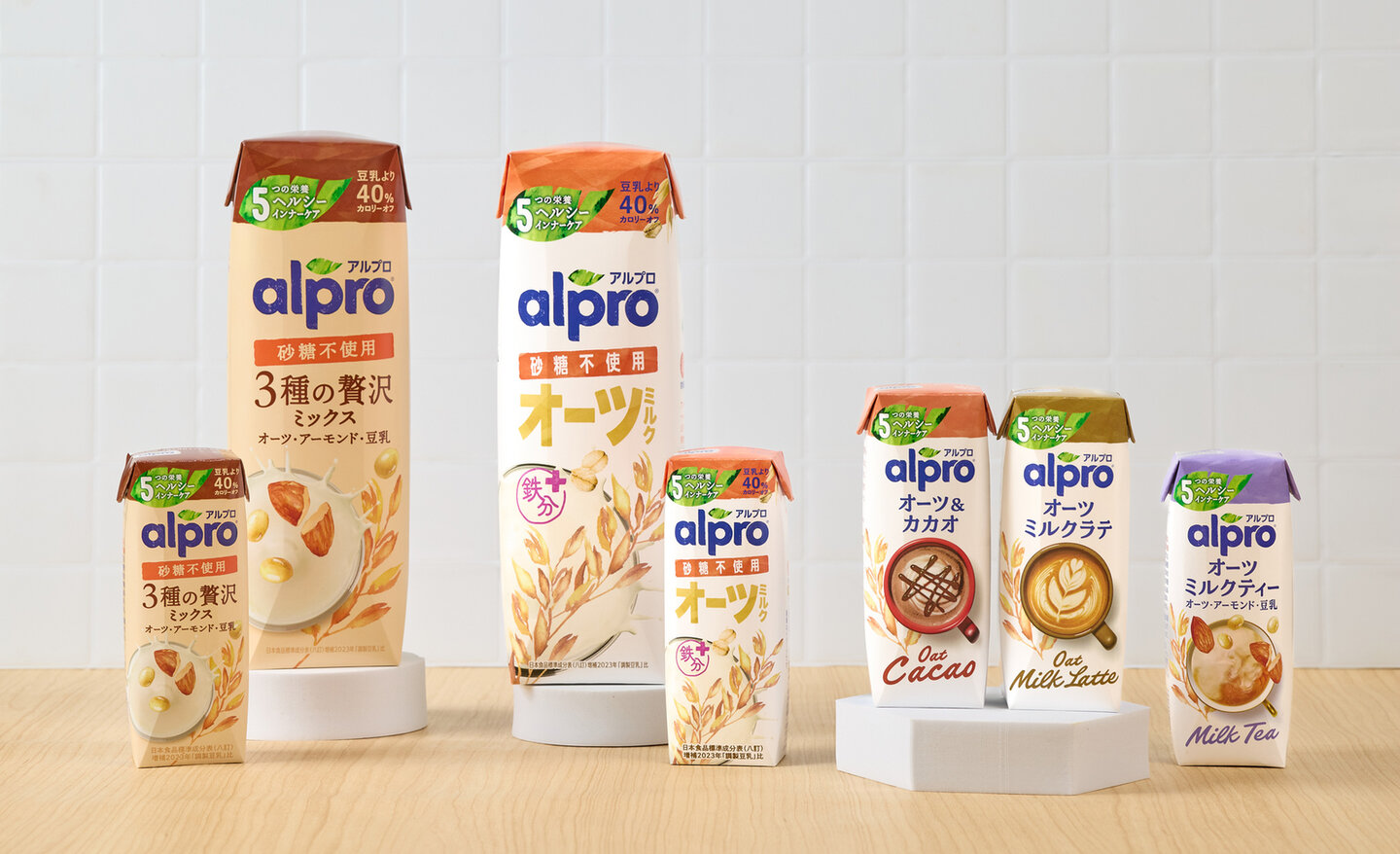
Danone started selling its international plant-based brand Alpro in Japan in 2020. While in markets like the UK, the French group sells a range of Alpro plant-based milks centred on different types of ingredients, in Japan the company decided instead to focus on one and has built a range centred around oats.
Credit: Danone
Ayaka Takagi, senior brand manager for Alpro at Danone in Japan, says the company first launched oat- and soy-milk products in the country but then changed focus.
“The oat milk category remains relatively less crowded than other plant-based alternatives, providing a clear opportunity for differentiation and allowing brands to establish a unique position in the market,” Takagi tells Just Food.
“Awareness of oat milk has been gradually increasing in Japan. While the oat milk category remains relatively small, it is evolving steadily. We believe oat milk is an excellent plant-based beverage, as it aligns well with Japanese consumers’ needs. Many consumers are actively looking to increase their dietary fibre intake, and oat milk is widely perceived as a source of fibre.”
The oat milk category remains relatively less crowded than other plant‑based alternatives.
Ayaka Takagi, Danone
Elsewhere, major Japanese dairy company Megmilk Snow Brand entered the plant-based market two years ago with the launch of its Plant Label brand. In March, the company – which, alongside its plant-based milks, markets alternatives to cheese and yogurt – introduced a pea-based milk into the range. “Peas,” Megmilk Snow Brand wrote, “are high in protein, low in fat and have a lower environmental impact during cultivation compared to soybeans and almonds”. In developing its strategy to build a plant-based foods business, Megmilk Snow Brand says it has “set its sights on pea”, with an aim to become a “leader” in plant-based yogurt and plans for a pea-processing plant in Malaysia.
Interestingly, last year, Danone added to the Alpro range on sale in Japan with the launch of 3 Luxury Mixes, a product that is a blend of oat, almond and soy milks.
Away from plants
Not all innovation in Japan’s market for milk alternatives has centred on plant-based ingredients.
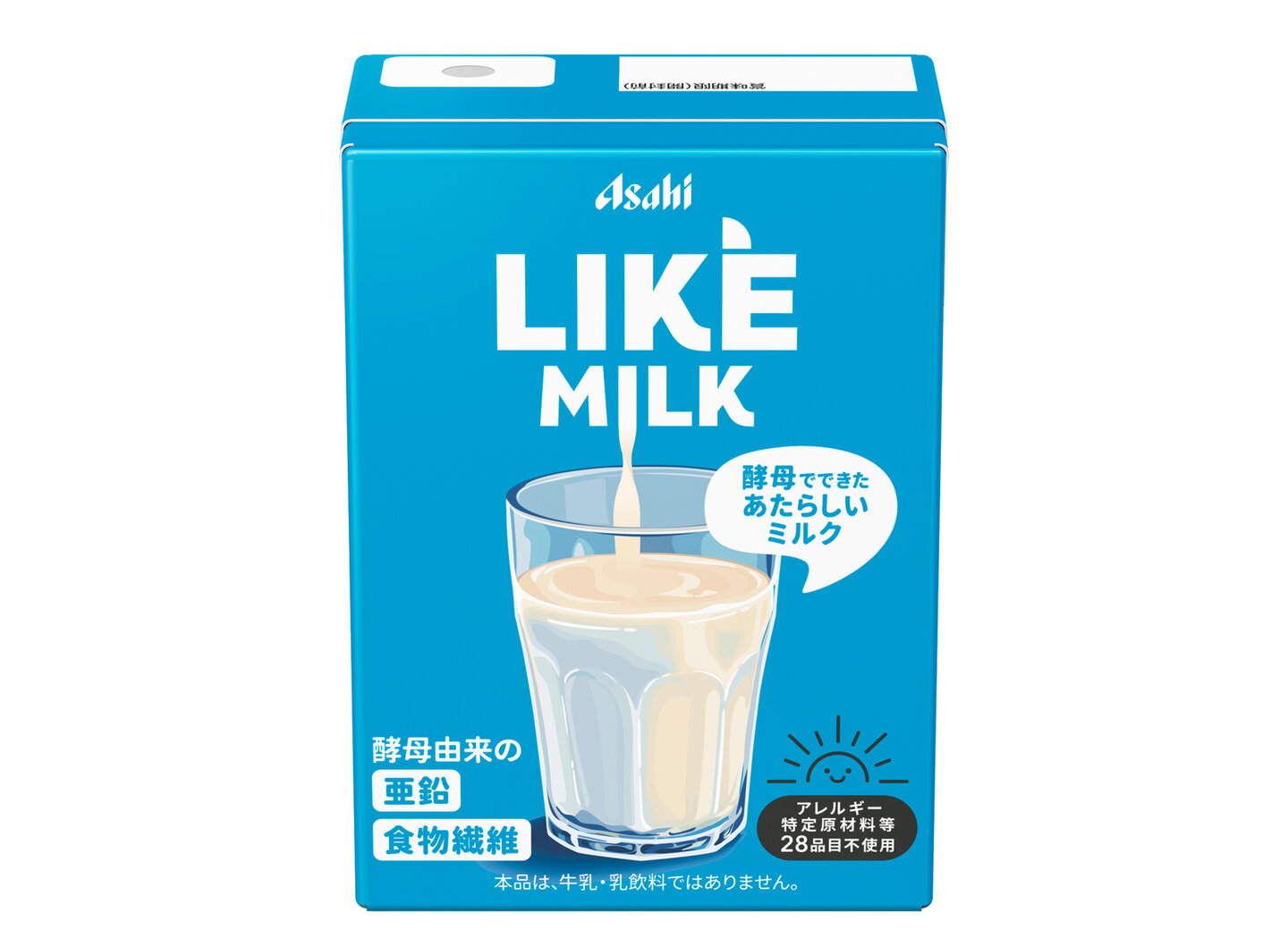
Last year, Japanese food-and-drinks giant Asahi Group Holdings launched Like Milk, “a new kind of non-dairy milk” derived from yeast, the company said. The drink is made by fermenting yeast, which is then processed into a powder and blended with other ingredients before being packaged.
Asahi’s marketing for Like Milk stresses the product’s physical properties – it is free of 28 specified allergenic ingredients – and other health benefits. A spokesperson says the drink contains protein and calcium levels comparable to cow’s milk, 40% less fat than cow’s milk, zero cholesterol and a rich supply of yeast-derived zinc and dietary fibre.
Although the drink has only been available in the Greater Tokyo area during the first half of 2026, the company expects “demand to grow as customers’ understanding of the nutritional and health benefits of yeast deepens”, the spokesperson says, adding the company hopes “yeast will become a new dietary option”, alongside plant-based milks.
Credit: Asahi Group Holdings
The Japanese government’s so-called Growth Strategy, a blueprint drawn up to boost the country’s productivity and make the economy more competitive, includes support for food tech, including the fermentation techniques used to make yeast-based alternatives to milk.
The strategy, approved in July, aims to build a stronger economy by investing Y370trn ($2.3trn) across 17 fields. In food tech, the government will, in tandem with private partners, explore the development of new foods, such as animal-free proteins and functional nutrition products, by leveraging technologies like fermentation.
Japan’s producers, meanwhile, are looking to nurture the export potential of their plant-based milk. The Japanese Soy Milk Exchange marketing initiative was launched in June to try to establish Japanese soy milk as a “distinct premium category” in the US for its “silky texture, mild scent and subtly nutty flavour”, a statement read.
In February, Yakult began selling Yakult Vitals, a beverage made by fermenting soy milk with bacteria and then adding fruit juice in the Netherlands.
The company plans to expand sales of the drink to other European countries, noting the product is not yet available in Japan.
As fermentation technologies are a growth area for Yakult, the company’s spokesperson believes the Japanese government’s support for food tech as a strategic priority, including the promotion of R&D investment in fermentation through collaboration with industry and academia, will provide a “favourable environment” for the company’s innovation, aiding Japan’s wider market for milk alternatives.
“Fermentation technologies have the potential to enhance the health benefits of plant-based products and contribute to addressing the challenges of improving their taste, nutritional value and functionality,” the Yakult spokesperson says.
Japan's plant-based milk market is expected to continue to grow steadily, driven by consumer interest in the links between diet and health. Soy milk is likely to remain the most consumed drink due to its familiarity among Japanese shoppers.
However, manufacturers still see opportunities for other ingredients, ranging from the more well-known options like oats to emerging alternatives like rice and peas.
Additional reporting: Dean Best
