
Feature
Protein’s next test: quality over quantity
It’s early days but consumers are starting to question where protein comes from and how well it is absorbed, opening opportunities for manufacturers. Laura Syrett reports.
Main video credit: LADO / Shutterstock.com
D emand for protein-fortified foods shows no sign of slowing down and there are signs consumers are becoming more interested in the type – and quality – of the nutrient, rather than simply how much is in what they buy.
While the initial wave of interest in protein in the early 2010s was driven by quantity claims emphasising grams per serving, industry watchers believe shoppers are now scrutinising the source of their protein and how digestible it is.

Grams are still the quickest way to compare products but shoppers are increasingly evaluating quality.
Melissa Abbott, The Hartman Group
“Grams are still the quickest way to compare products, but shoppers are increasingly evaluating quality against a product's claims,” Melissa Abbott, VP for syndicated studies at US consumer-research consultancy The Hartman Group, says.
The mainstream adoption of GLP-1 weight-loss medications is adding to this evolution. With these treatments suppressing appetite and reducing overall food intake, consumers need greater nutritional value per portion: more “bang for your bite”.
Awareness low but on the rise
Andrah Visscher, platform lead for GLP-1 at dairy major FrieslandCampina’s ingredients arm, corroborates that shift, noting that, as fortified options proliferate “demand is generally becoming more informed”.
Visscher suggests the change is partly due to consumer fatigue and scepticism. With protein claims now stamped on products across nearly every grocery aisle, Visscher points to data from UK research firm Vypr in July that showed 15% of consumers consider high-protein claims overused. “What we’re finding is that many consumers are paying closer attention to the back of the pack,” Visscher tells Just Food.

Credit: PixelBiss / Shutterstock.com
According to The British Nutrition Foundation, proteins are essential “macromolecules” made up of chains of amino acids. It is the digestibility of the amino acids in a particular protein that determines how much protein is absorbed by the body.
Susan Zaripheh, Danone’s chief research and innovation officer in North America, underlines how proteins are not nutritionally equal. “The source, amino acid composition and processing methods all affect their quality,” she says. “Complete, high-quality proteins contain all nine essential amino acids that the body cannot produce by itself and are highly digestible, making protein composition just as important as the amount consumed.”
As well as owning brands like Campina milk and Milner cheese, FrieslandCampina supplies dairy ingredients to makers of products including protein bars and sports nutrition. Visscher says the co-operative’s own research in May showed “high protein quality was the third most important reason for choosing a product, behind only value for money and taste”.
Nevertheless, Visscher cautions genuine awareness among shoppers remains the exception rather than the rule. “Although some consumers are taking a more informed approach to protein source and quality – and questioning what this actually means – it’s certainly not yet the norm,” she says. Many consumers, Visscher adds, still conflate protein quality with clean-label attributes such as “purity, naturalness and levels of processing, rather than any scientific definition associated with health”.
Increasingly, dietitians, nutrition experts and even food brands are turning to the digestible indispensable amino acid score (DIAAS) to communicate protein quality and bioavailability, even though the US Food and Drug Administration (FDA) still relies on the older protein-digestibility-corrected amino acid score (PDCAAS) for on-pack protein claims.
DIAAS and PDCAAS are protein-quality ranking methods. Recommended by the UN Food & Agriculture Organization (FAO), DIAAS measures amino acid digestibility at the end of the small intestine (the ileum), showing how effectively the body absorbs those amino acids to meet its essential requirements. Animal-based proteins generally score higher under the DIAAS methodology.
GLP-1 puts nutrient density in focus
The rise of GLP-1 medications is influencing product development and are adding to consumer demand for nutrient-dense foods, including those with more protein.
Kristen Coady, chief product and innovation officer at Dairy Farmers of America (DFA), says GLP-1 drugs are reinforcing a broader consumer need for foods that “deliver meaningful nutrition in smaller amounts”. However, Coady says the US co-operative is not yet seeing customers specifically request higher DIAAS scores or micro-portions.
The need behind those concepts is very real. Consumers are looking for high‑quality protein, nutrient density, and products that work harder for them.
Kristen Coady, Dairy Farmers of America
Nevertheless, she adds: “The need behind those concepts is very real. Consumers are looking for high-quality protein, nutrient density, and products that work harder for them.”
Coady points to the co-op’s Mulu cottage-cheese brand, which contains 18g of “complete dairy protein and all nine essential amino acids in a half-cup serving”, as an example of this approach. “It’s less about developing specifically for GLP-1 consumers and more about understanding how these broader shifts are changing what consumers expect from the foods they choose,” she says.
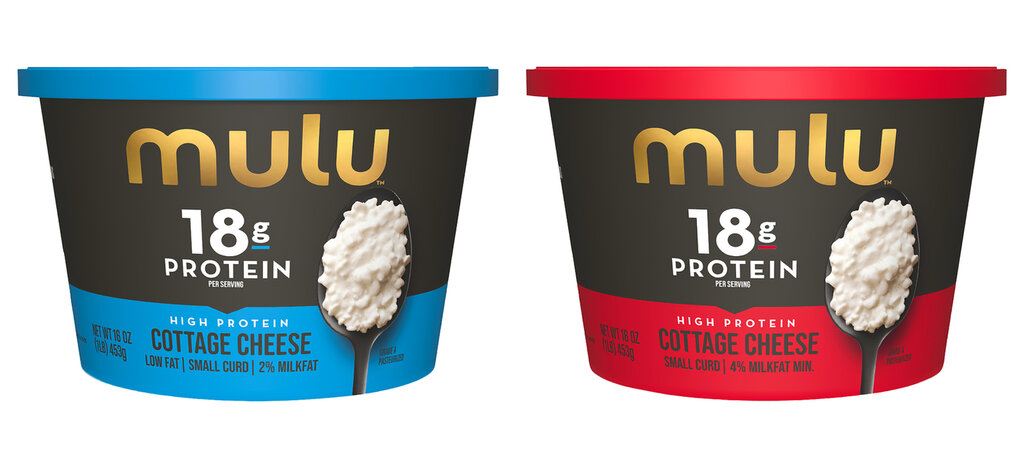
Credit: MULU
At The Hartman Group, Abbott suggests there are B2B suppliers that specialise in custom co-development and raw materials of DIAAS for brands but says consumer awareness of how protein-quality scores are interpreted remains limited.
“The public launch materials emphasize portion size and nutrient content and give us little visibility into whether companies are optimising for that score behind the scenes,” Abbott says.
Protein quality is harder to explain
It’s clear that, while consumers intuitively understand grams per serving, concepts like amino acid profiles and ileal digestibility are hard to communicate on front-of-pack labels and shopper awareness remains low.
Professor Paul Moughan, a scientist specialising in mammalian protein metabolism and its application to human nutrition and health at Massey University in New Zealand, suggests a detailed understanding of how protein intake supports nutrition and health is limited among the general public, so DIAAS has become a useful way of explaining protein content.
“Consumers usually understand total protein needs but have a lower level of understanding about indispensable amino acids – the real drivers of metabolism – and thus protein quality,” Moughan tells Just Food.
“The concept of ‘protein’ is straightforward and [the food] industry focuses on this. Consumers rarely hear about the amino acids and ‘utilisable’ protein (...) because protein quality is informed by several variables it is harder to explain simply.”
While the high-protein trend has been in evidence for more than a decade (and has gathered pace in recent years), research by Moughan indicates that a lack of emphasis on, and understanding of, protein quality means some groups of consumers are still protein deficient – even in developed economies.
Consumers usually understand total protein needs but have a lower level of understanding about indispensable amino acids and thus protein quality.
Professor Paul Moughan, Massey University
In a paper published in by The Journal of Nutrition in 2024, Moughan and his co-authors explained how analysis of US population data on protein intake in the country demonstrated that even for subjects with a 100% DIAAS, 11% of the adult (aged 19–50) population had habitual protein intakes below the Estimated Average Requirement (EAR) and 22% were below the Recommended Dietary Allowance. Both the EAR and RDA measures are approved by the US Department of Health and Human Services.
Moughan’s research also suggested certain groups including vegetarians, vegans and the elderly are particularly at risk of not meeting their protein intake requirements due to the lower quality of the nutrient they get from their diet.
“Protein insufficiency does occur in developed economies, especially in specific groupings,” Moughan says. While nutrition education is one likely factor contributing to protein dietary deficiencies, he also suggests the cost of high-quality protein foods and the popularity of processed foods that can be lower in protein quality probably contribute to the overall picture.
Zaripheh agrees translating complex research into practical guidance that helps consumers understand their nutritional choices is a challenge – one brands like Danone look to tackle as part of its marketing initiatives for both its dairy and plant-based products.
“We encourage ... consumers to look beyond grams of protein to understand how its quality supports broader health goals,” Zaripheh says. “We do this through outlets like Instagram, where registered dietitians and Danone nutrition experts answer real consumer questions to provide nutrition advice.”
The key, according to Mark Moody, marketing director at Ehrmann Cornish Dairy, the UK subsidiary of German dairy group Ehrmann, is to make high-quality protein accessible to consumers in familiar, versatile formats, something he says dairy is ideally placed to do as a popular natural animal protein.
As consumers’ understanding of the differences in protein quality grows, food brands are adapting their product ranges.
Dairy’s proponents say the category has an inherent advantage. German dairy group Ehrmann, has responded with its range of High Protein Puddings, Creatine Puddings and Triple Layer Sundaes. Moody says the products “demonstrate how protein and an indulgent eating experience can come together in a convenient format”.
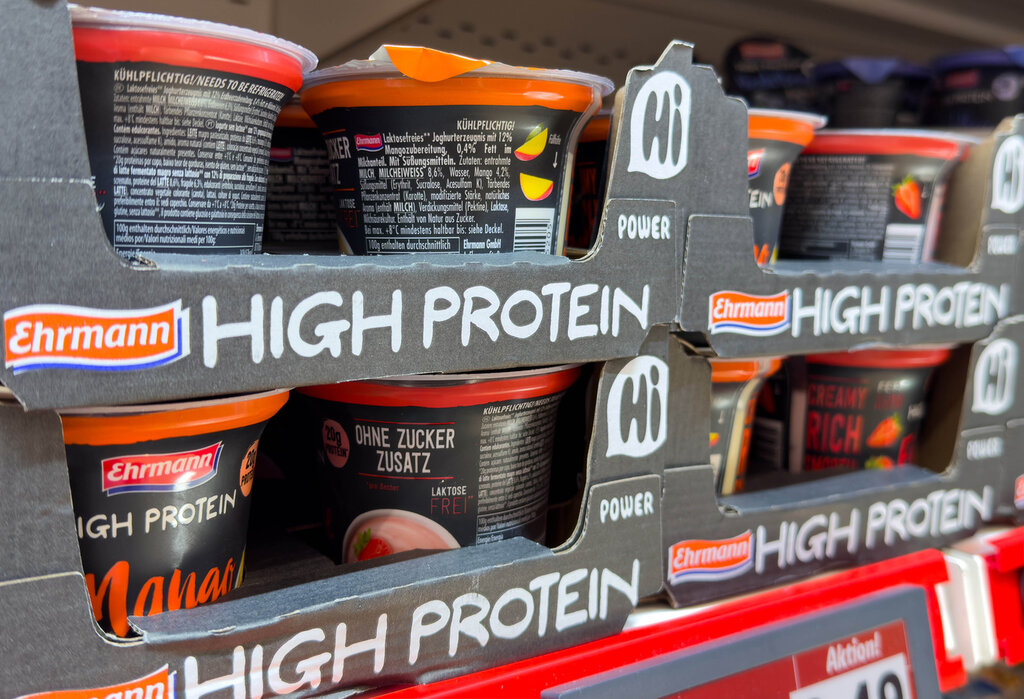
Credit: HelgaQ / Shutterstock.com
Moody acknowledges there are practical challenges to meeting demand for protein-enriched foods. “Taste, texture and convenience have historically been barriers for consumers, particularly when one of the main ways to increase protein intake was through powder-based products, which can often have a chalky texture,” he says. “By combining protein with appealing flavours and indulgent textures, we aim to make high-protein products more accessible to a wider audience.”
Moody believes the next wave of innovation in the protein market will see brands tapping into natural sources of protein and creating products that use more natural ingredients to deliver a less processed, high-protein proposition.
Moughan, meanwhile, sees public health and marketing opportunities for brands to target older demographics with protein messaging. “There is evidence for a higher protein requirement for the elderly and that they often consume poorer protein quality diets. Therefore, institutional studies show a quite high prevalence of low ‘utilisable’ protein intakes in this grouping,” he said.
Beyond sports nutrition
Consumers’ scrutiny of protein quality has been most prevalent in areas like sports nutrition but there are signs it is moving into more mainstream grocery categories, such as cultured dairy, functional beverages and meal replacements.
According to The Hartman Group, consumers still view animal products as their primary sources of quality protein, led by fresh and packaged meat (59%) and dairy (55%). However, when seeking functional or added protein, shoppers gravitate toward three main categories: shakes and powders (59%), bars (52%), and breakfast foods (39%), Abbott says.
She points out that the language of performance nutrition is crossing into everyday retail, propelled in part by GLP-1-companion products and meal replacements. Products such as Danone’s Oikos Fusion, for instance, highlight specific amino acids like leucine and muscle maintenance rather than total grams alone, Abbott says.
“At Hartman, we are seeing a segment of GLP-1 users as an extension of the performance consumer: the performance sector is expanding from athletes to everyday consumers and GLP-1 users,” she adds. For these consumers, protein quality matters most during meal-replacement and "mini-meal" occasions, where reduced appetite forces a smaller serving of food to deliver the nutritional density of a full meal.
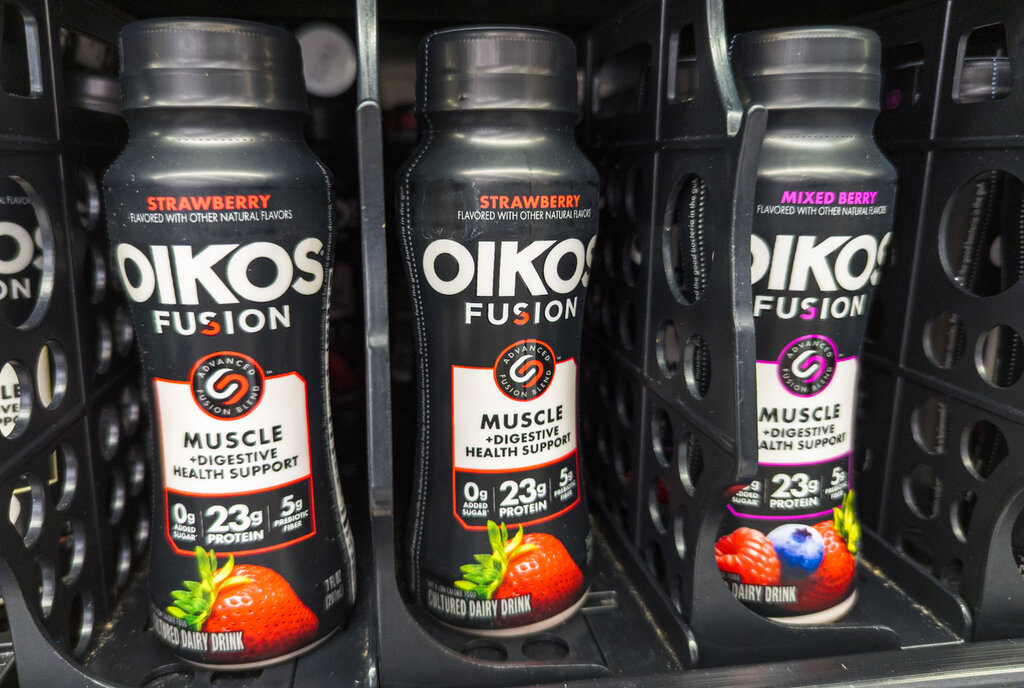
Credit: PJ McDonnell / Shutterstock.com
Protein quality, alongside taste and texture, needs to be considered at the brief stage rather than treated as a fortification step added later.
Andrah Visscher, FrieslandCampina
However, delivering higher-quality protein in these formats introduces distinct processing hurdles, she explains. Yogurts must retain their typical texture without separating, while bars must balance volume with a palatable, soft bite.
“Increasingly, brands are asking which protein source best suits the product, its nutritional purpose and the eating occasion, as well as how much protein they can add. This means protein quality, alongside taste and texture, needs to be considered at the brief stage rather than treated as a fortification step added later.”
While consumer awareness of protein quality is rising and the industry is responding accordingly, Coady at Dairy Farmers of America cautions purchases are still largely linked to raw numbers.
“We’re seeing interest in protein extend well beyond traditional sports and clinical nutrition and into more everyday foods and eating occasions," Coady says. “However, right now, consumers are still primarily choosing products based on how much protein they deliver, rather than specifically seeking them out based on protein quality.”
Nevertheless, as consumer interest grows, Coady believes dairy holds an advantage over competing protein sources across everyday occasions. "Dairy naturally delivers high-quality, complete protein in familiar foods consumers already enjoy throughout the day, whether that’s at breakfast, lunch, as a snack or around a workout," she says. "As consumers become more knowledgeable about protein, we think those inherent benefits of dairy will become increasingly meaningful."
